

BMW’s RS series is updated with the new 1300 flat twin engine, just as the R, RT and GS models were updated. And just as those models lost weight and gained power for their latest revision, the RS is now positioned to be more of a sporty sport tourer than ever before.
Or as designer Christian Hahn-Wörnle puts it:
“The new BMW R 1300 RS has been given a far sportier character than its predecessor. This is evident not only in its increased engine performance and chassis capability, it is also instantly visible in the bike’s sporty design with fairing that extends a long way downwards. Accordingly, the ergonomics are now also noticeably sportier and more front-wheel-oriented – without compromising the typical BMW RS qualities of comfort for touring and long-distance travel.”
The engine is the same unit used in all the other machines so far, with apparently the same tuning: 145 horsepower at 7,750 rpm, 110 pound-feet of torque at 6,500 rpm, a DOHC top end with four-valve Shiftcam head.
The frame is like the other 1300 models as well, a sheet metal main section with an aluminum lattice subframe. The RS has a USD front fork with EVO Paralever II rear suspension, and wheels that are 3 pounds lighter than the previous model, which speeds up handling.
-
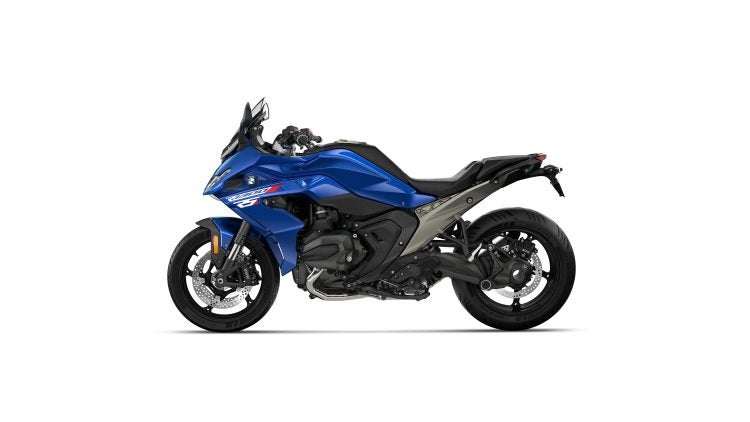
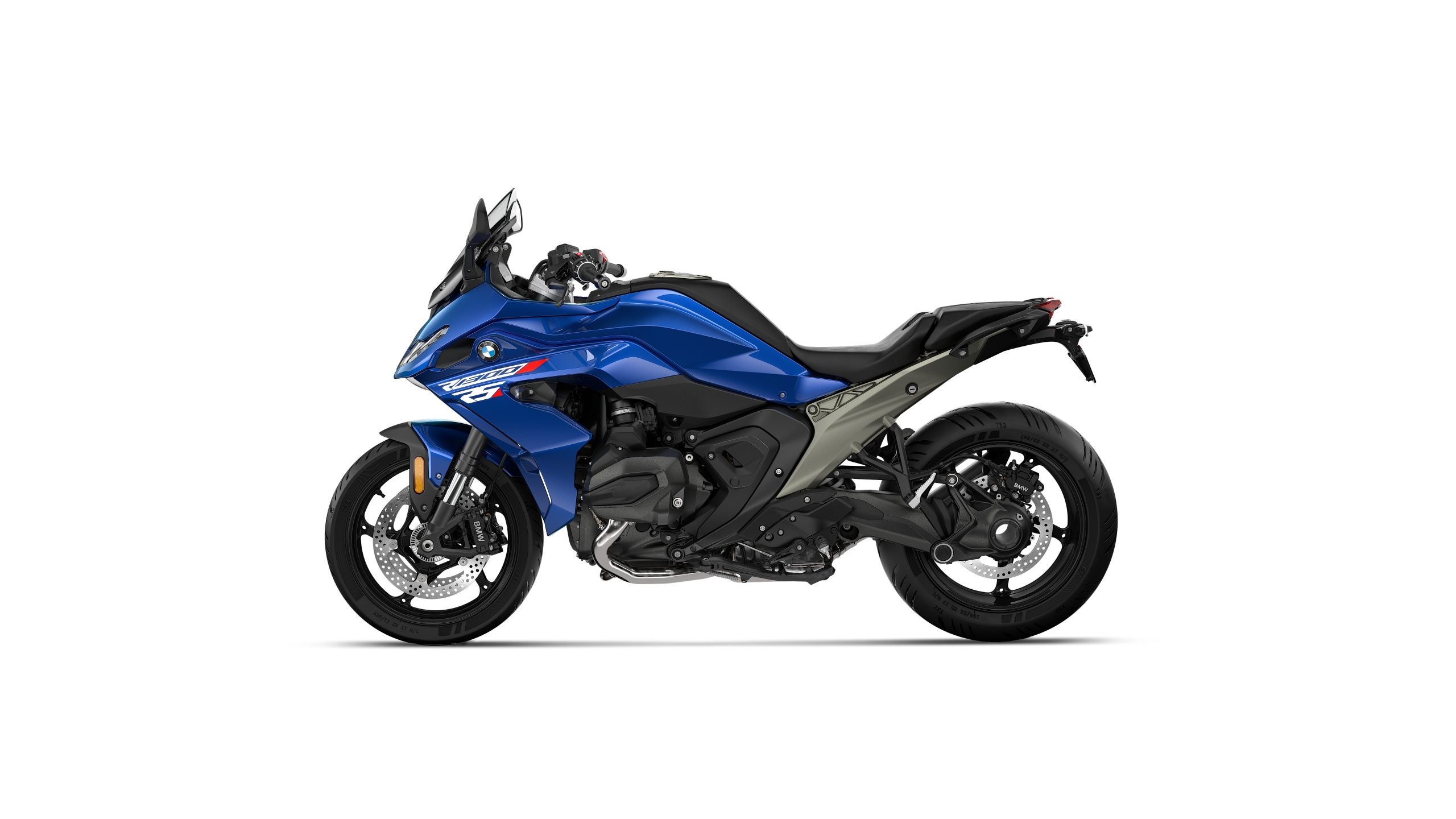
- Racing Blue package. Photo: BMW
-
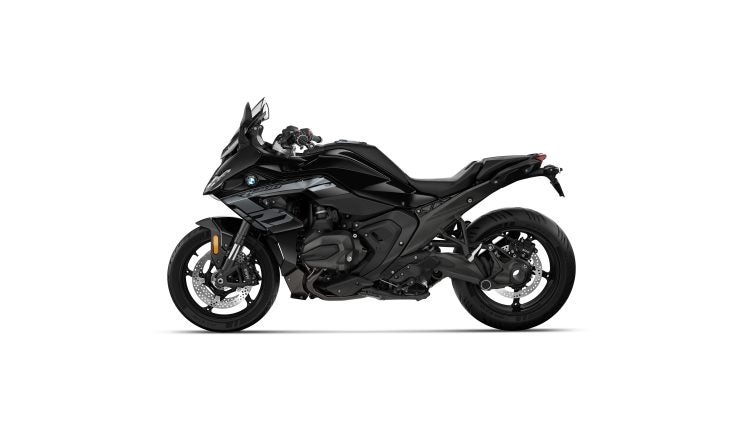
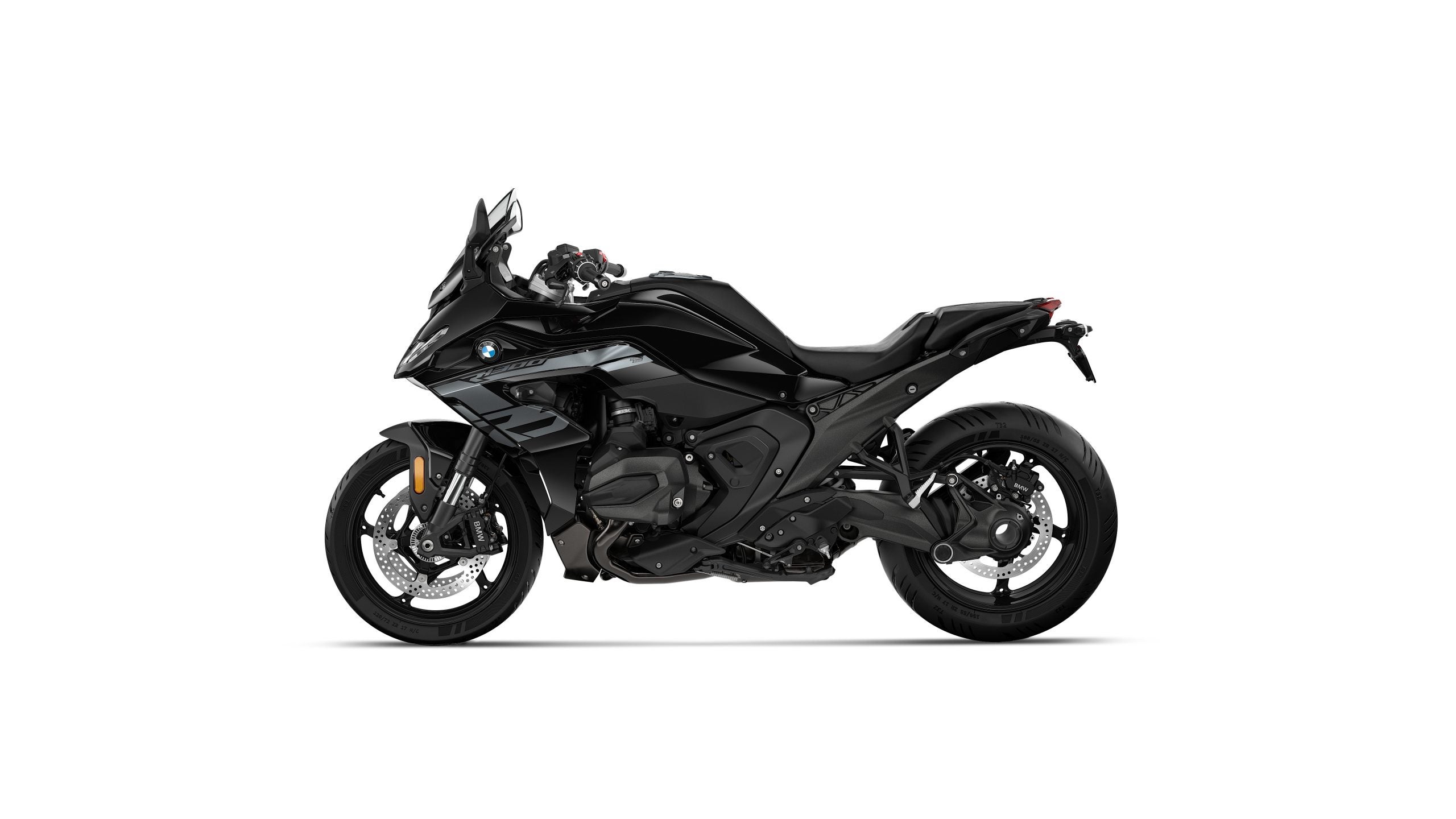
- Style Triple Black package. Photo: BMW
-
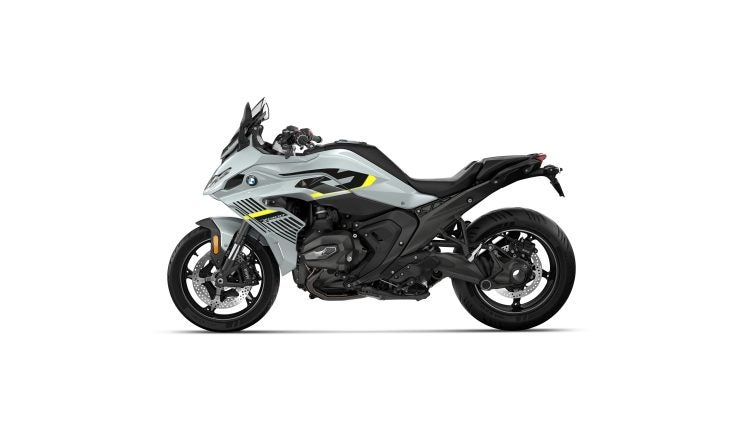
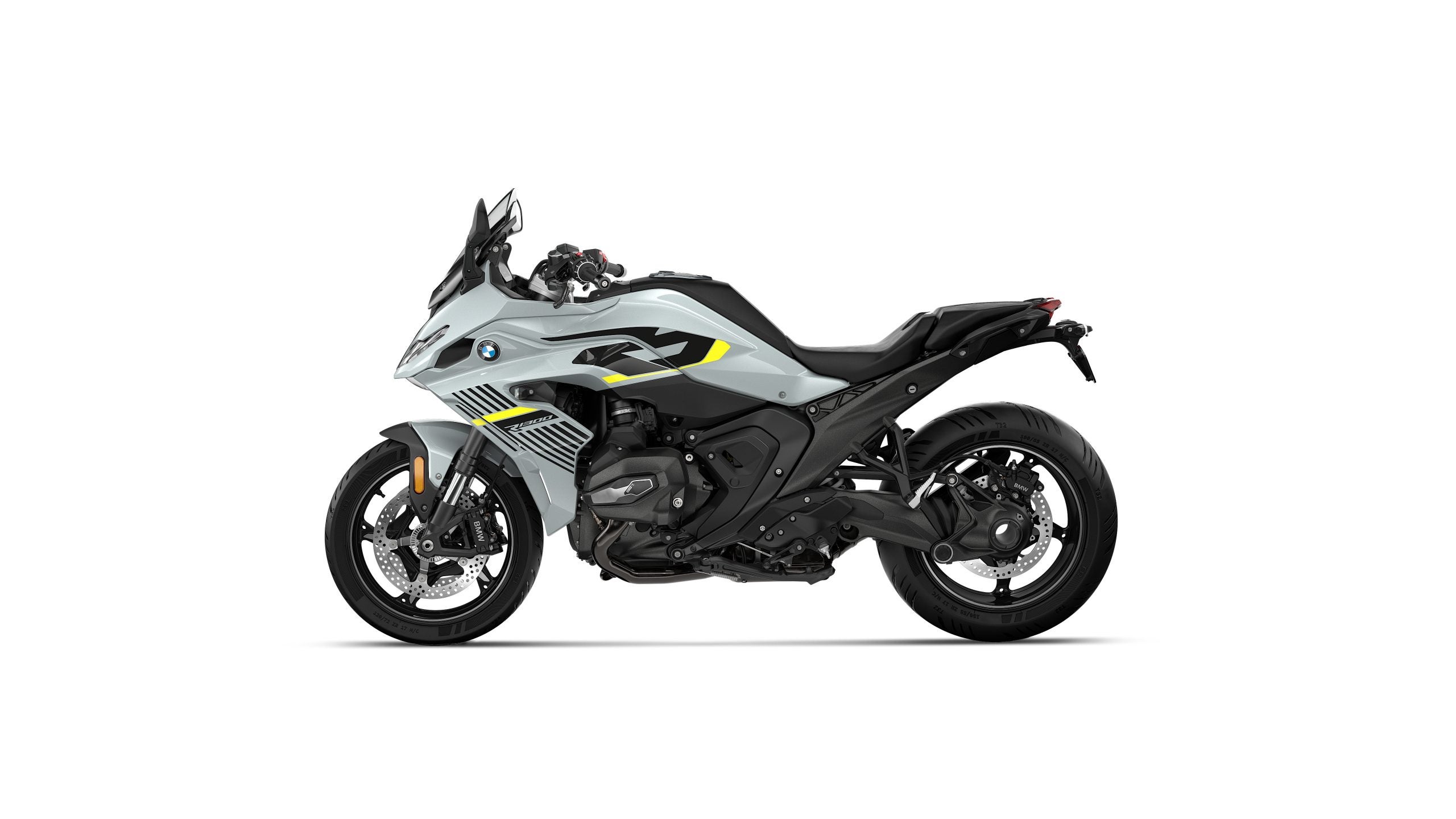
- Option 719 Cuyamaca package. Photo: BMW
-
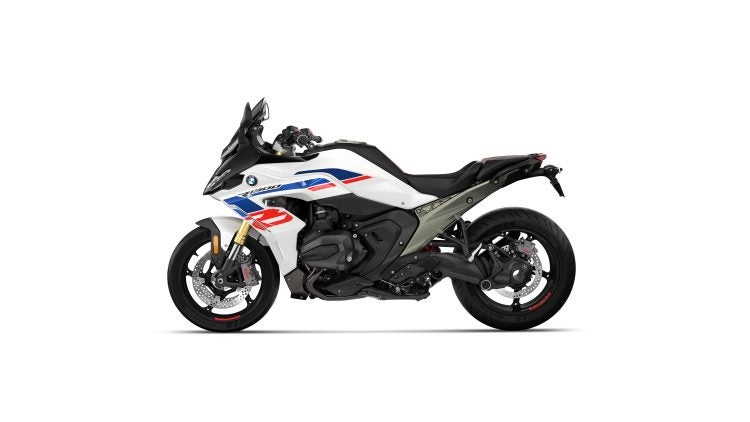
- Style Performance package. Photo: BMW
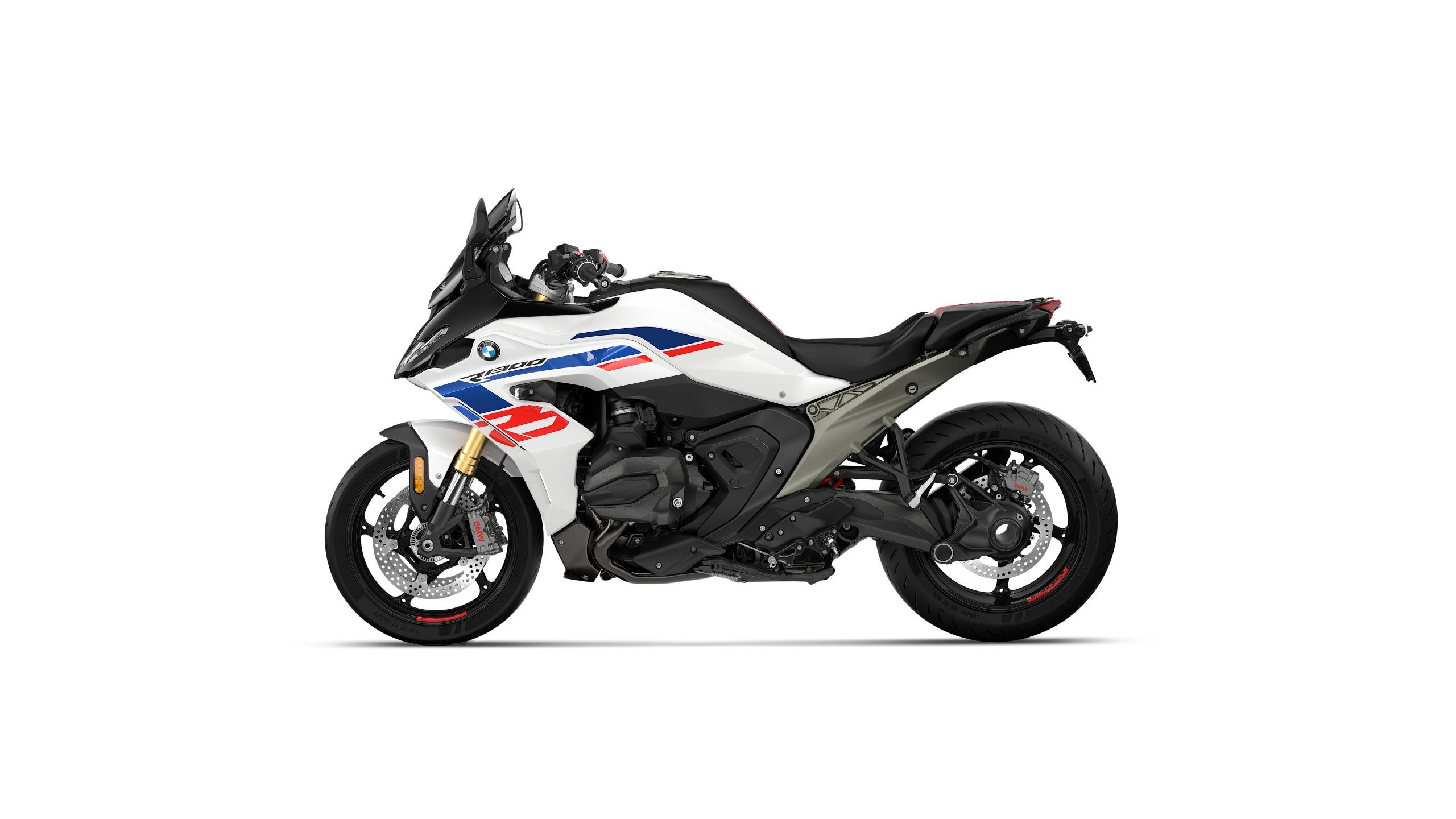
The electronics package includes Rain, Road and Eco modes as standard, along with MSR Engine Drag Torque Control. Integral ABS Pro also comes standard, with linked, leaning-sensitive braking that works both brakes from either the foot pedal or the hand lever. Dynamic Brake Control is also included, which cuts involuntary throttle response during hard braking, reducing your stopping distance.
As with all of BMW’s big-dollar models these days, there are a ton of add-on options, even for the electronics. This includes first of all the Automated Shift Assistant, which allows the rider to bang up or down the gearbox without using the clutch lever. There are Dynamic and Dynamic Pro riding modes, which allow more wheel slip so you can ride around like a hoon.
You can also add electronic Dynamic Suspension Adjustment, this combines the on-the-fly adjustment of front and rear damping with a matching adjustment of the spring rate, depending on the selected riding mode, riding conditions and dynamic maneuvers. Along with the R 1300 R that just came out, these are the first production bikes with USD forks that have dynamic spring rate adjustment. The DSA system not only allows for better comfort and handling, it will also work to help you get the bike on the centerstand as well with the prop-up aid function.
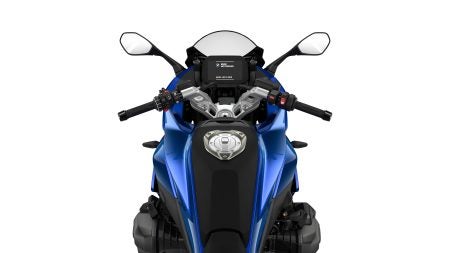
A more sporty cockpit than the RT, but still able to do the long haul. Photo: BMW
While LED lights are standard all-round, the Headlight Pro feature, that dips to help you see into corners, is optional. And BMW’s Riding Assistant package is also optional, with Frontal Collision Warning and Active Cruise Control included (a smart cruise control, like that found in cars, able to follow a vehicle at a set distance). The RS even has an optional electronically-locking GS mount, to keep your nav system safe.
Of course there are also the usual optional hard parts as well: luggage, seats, windscreens and more. BMW will offer the RS in four sub-models, all with different hard parts and different paint. See BMW’s website here for full details. MSRP is $16,995 plus taxes and fees for the base model, but adding options will quickly drive that price up!
TECHNICAL DATA