

In late 2024, we told you about Triumph’s new Tiger Sport 800. A few weeks ago, we were invited to Europe, to ride it. We were stoked to tell you about the machine, but our guy’s back gave out the morning he was supposed to get on the plan. It sucks, but life happens. Luckily, the crew from Motorcycle.com was able to attend.
Here’s what Mike told us about the Tiger Sport 800 at its debut:
The heart of the new Tiger is an entirely new liquid-cooled, fuel-injected 798 cc triple-cylinder engine. And if Triumph’s claimed specs are correct, this engine obliterates the performance of the previous Tiger 850 Sport’s 888 cc powerplant. Triumph says the new Tiger Sport 800 triple-cylinder engine makes 113 hp (@ 10,750 rpm) and 61.9 lb-ft of torque (@ 8,500 rpm). Compared to the 2024 Tiger 850 Sport’s 84 peak hp and 60 lb-ft of torque, the new machine’s engine opens a chasm of more than 34 percent more horsepower than its predecessor, using 90 cc less displacement.
and:
The new Tiger still has a tubular steel frame but gets an upgraded suspension setup for 2025. The bike’s fork and shock now feature Showa components, replacing their predecessor’s Marzocchi fork and shock. Up front, you will now find a Showa 41 mm upside-down separate-function cartridge fork, which offers 5.9 inches (150 mm) of travel and is adjustable for compression and rebound damping. At the rear, a twin-sided, cast aluminum swingarm attaches to a Showa right side up (RSU) monoshock. It features adjustable rebound damping and remote hydraulic preload adjustment, as well as 5.9 inches (150 mm) of travel.
See his initial write-up here, and see MO’s photos from the launch below, with Nic de Sena’s observations:
-
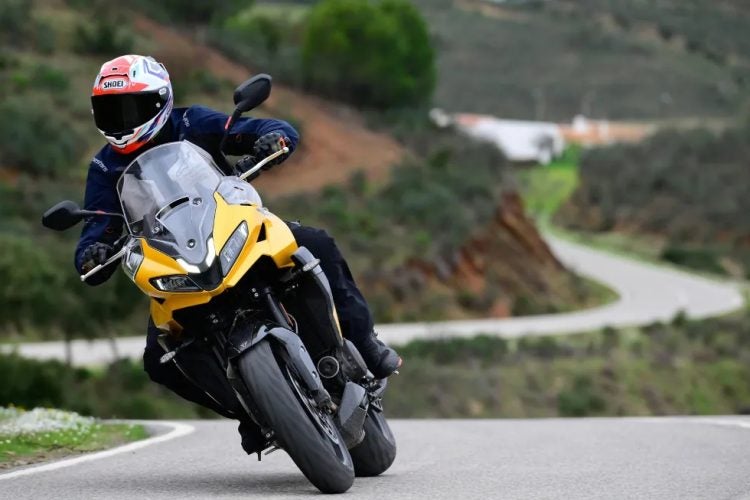
- This bike is the sign of renewed interest in sport touring, says Nic. With 17-inch wheels at both ends, it’s certainly not an ADV, even though it borrows some ideas from adventure bike design.
-
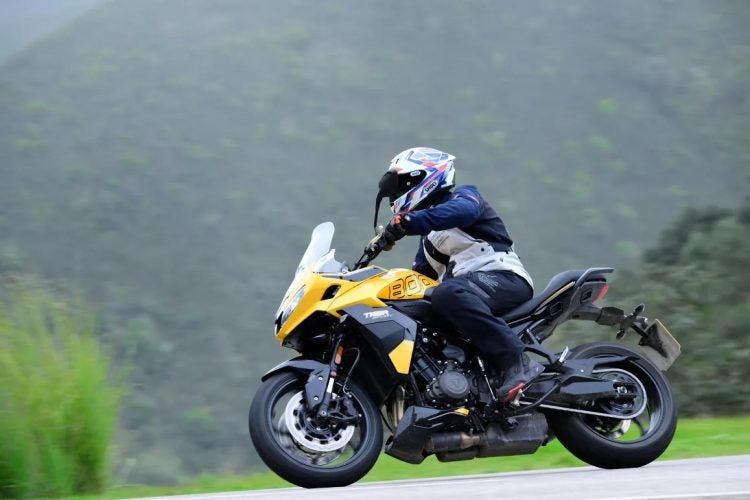
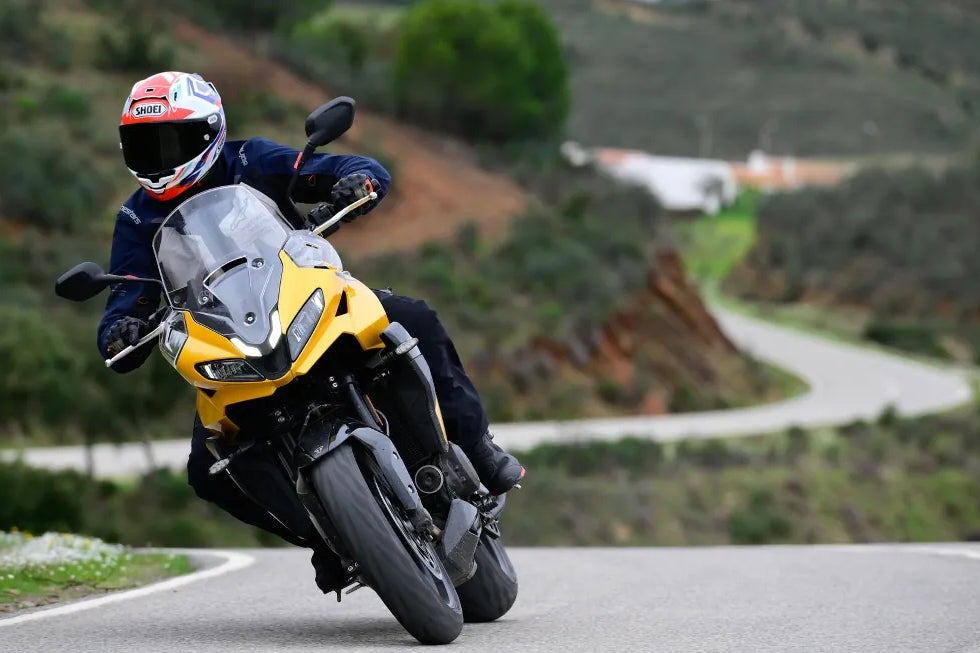
- There are a lot of new parts, or updated parts, on this bike, but its basic layout is borrowed from the Tiger Sport 660. But don’t be fooled by the similarities; this is a much-improved machine, not a carbon copy with a larger engine.
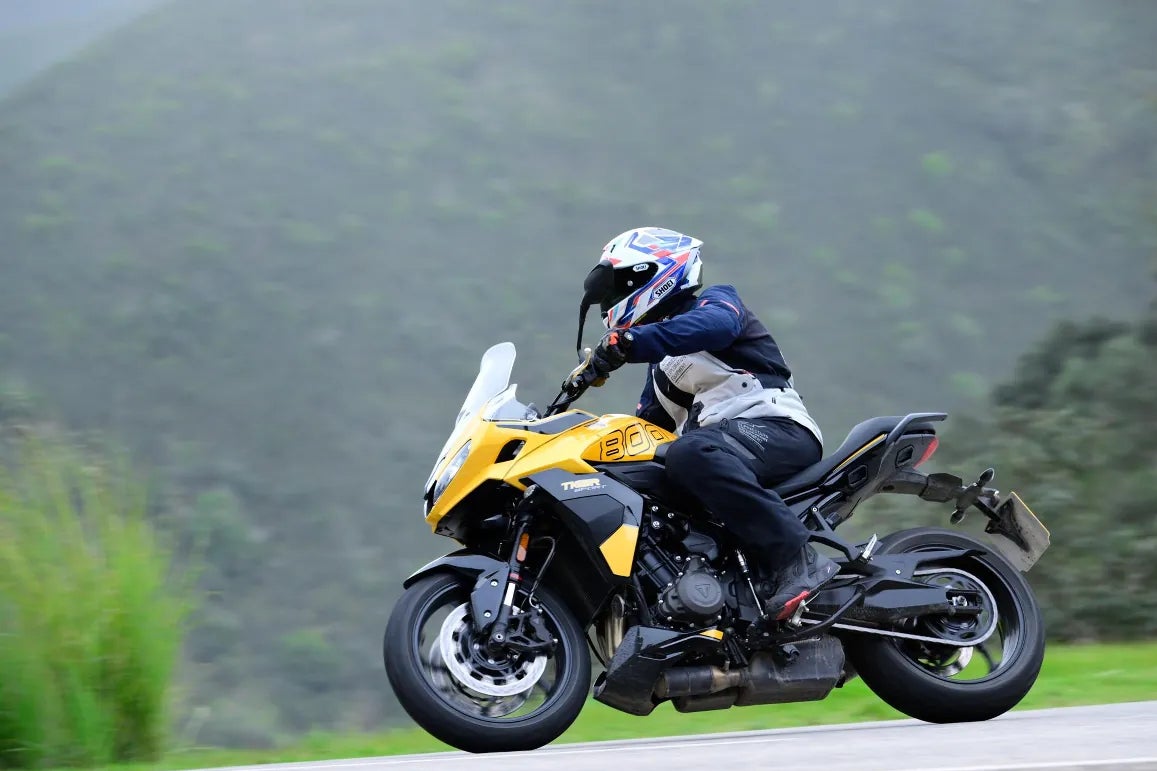
-
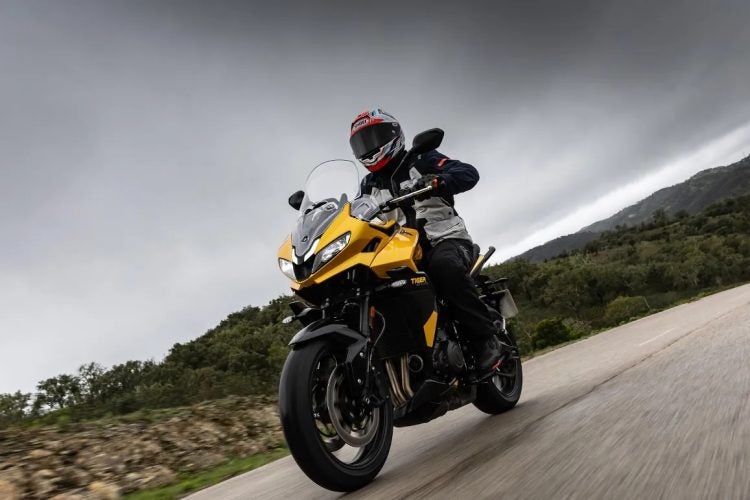
- New J Juan brakes and higher-spec Showa suspension help you keep those Michelin Road 5 tires planted.
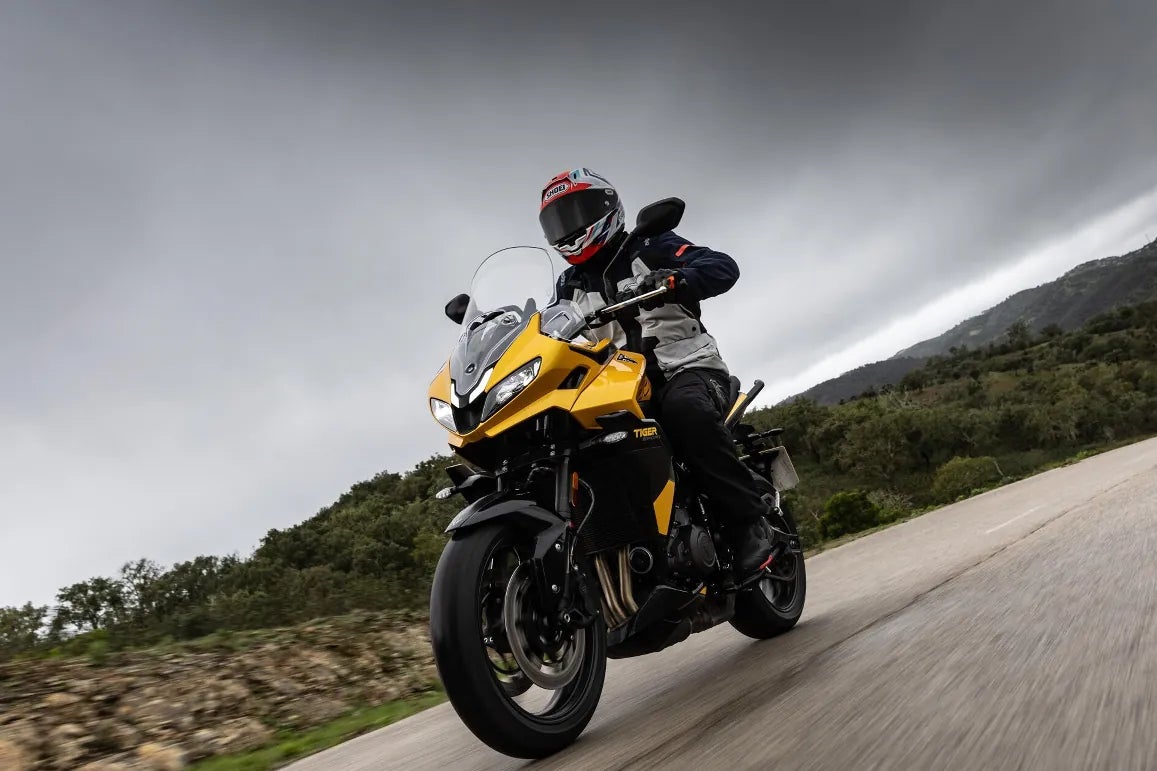
-
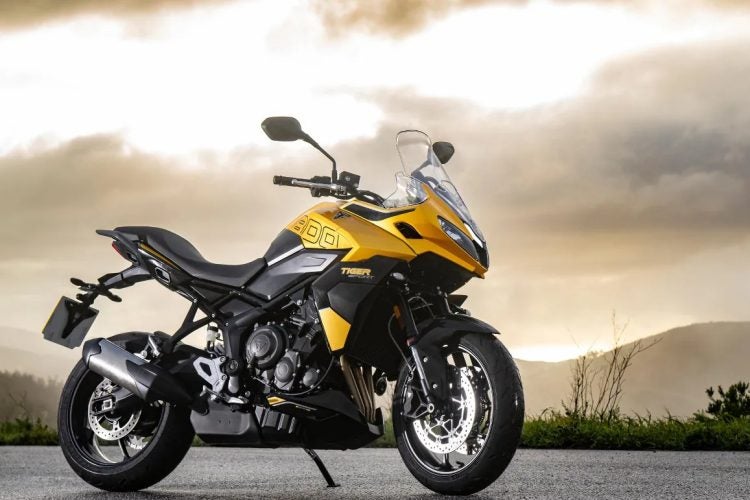
- That’s a tall seat height for a street-only machine, at 32.9 inches. But a slim mid-section makes it easier to reach the ground, Nic says.
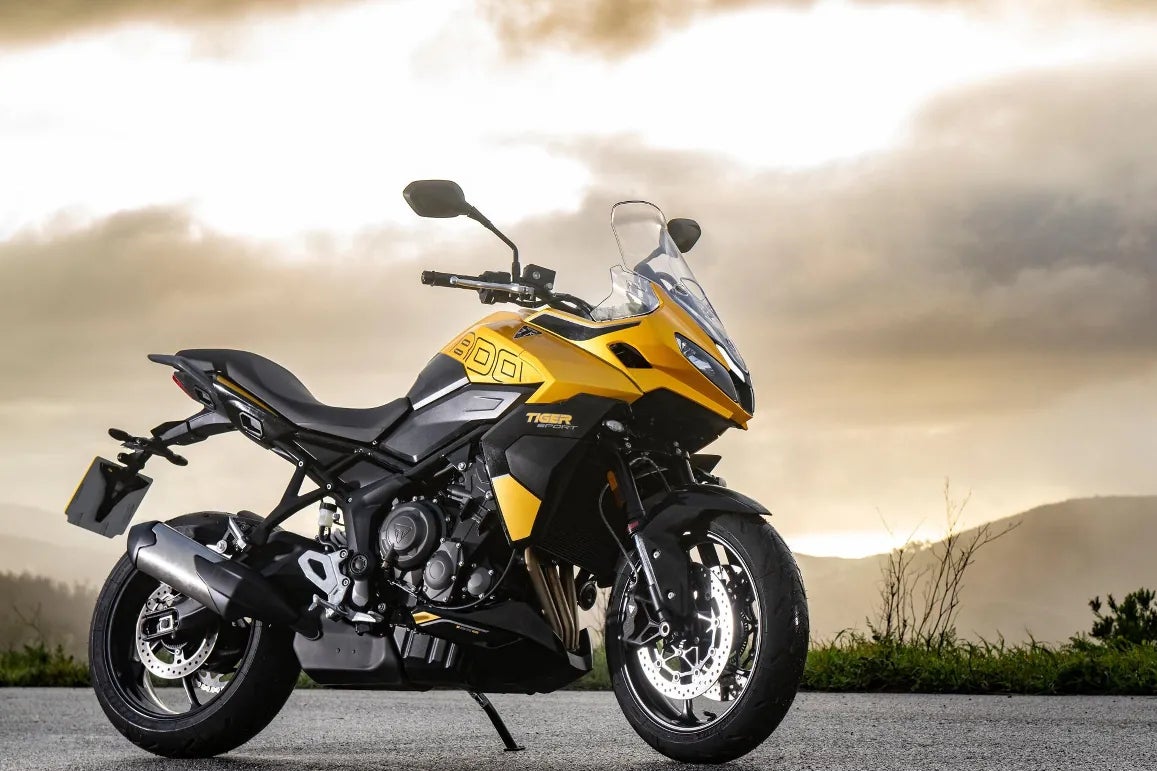
-
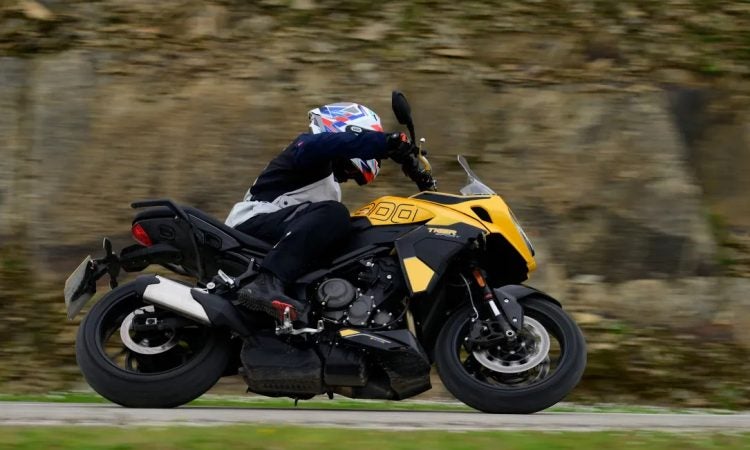
- As with Triumph’s other three-cylinders, this triple balances nicely between low-end grunt and maxed-out muscle at the high end when you pick up the revs. Power delivery is in a linear, easily-managed curve, although you’ve got onboard electronics to help you stay safe.
-
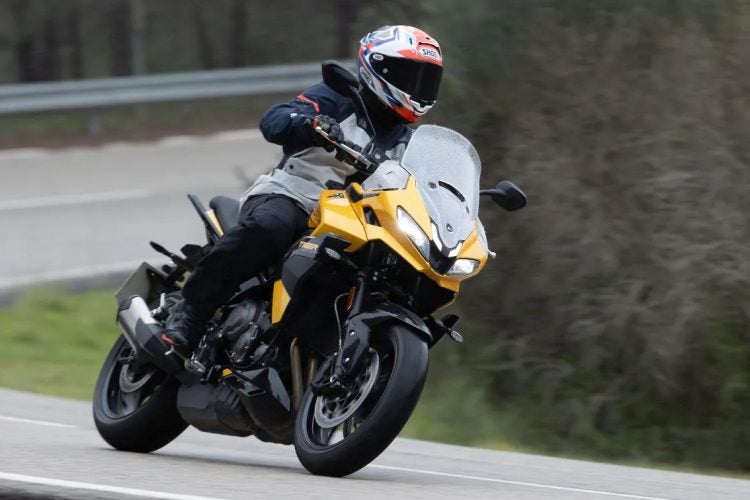
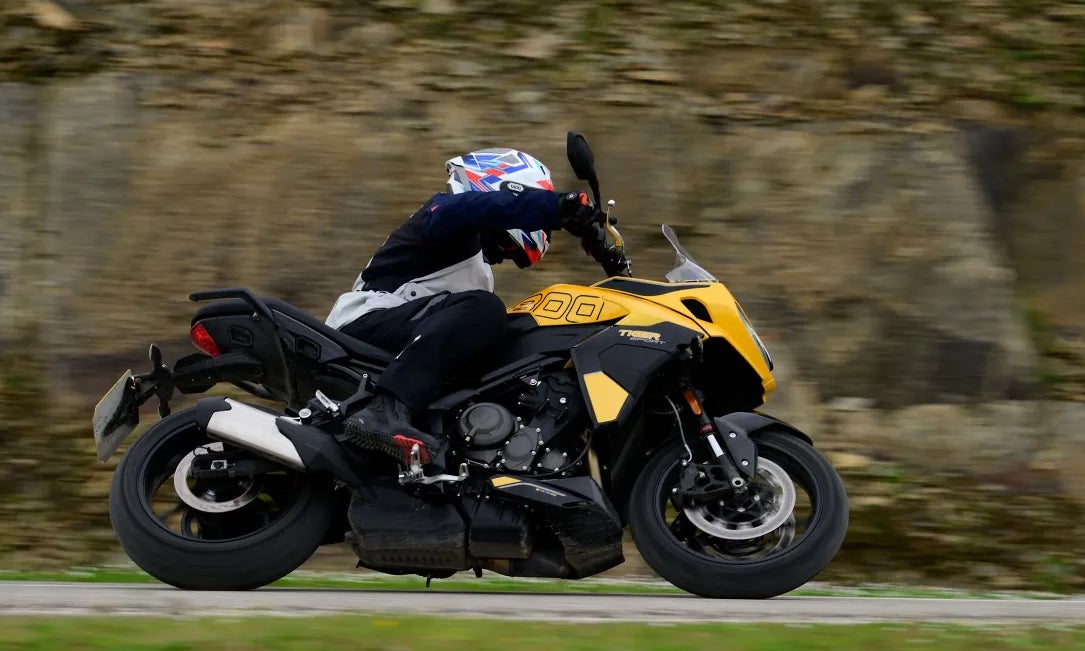
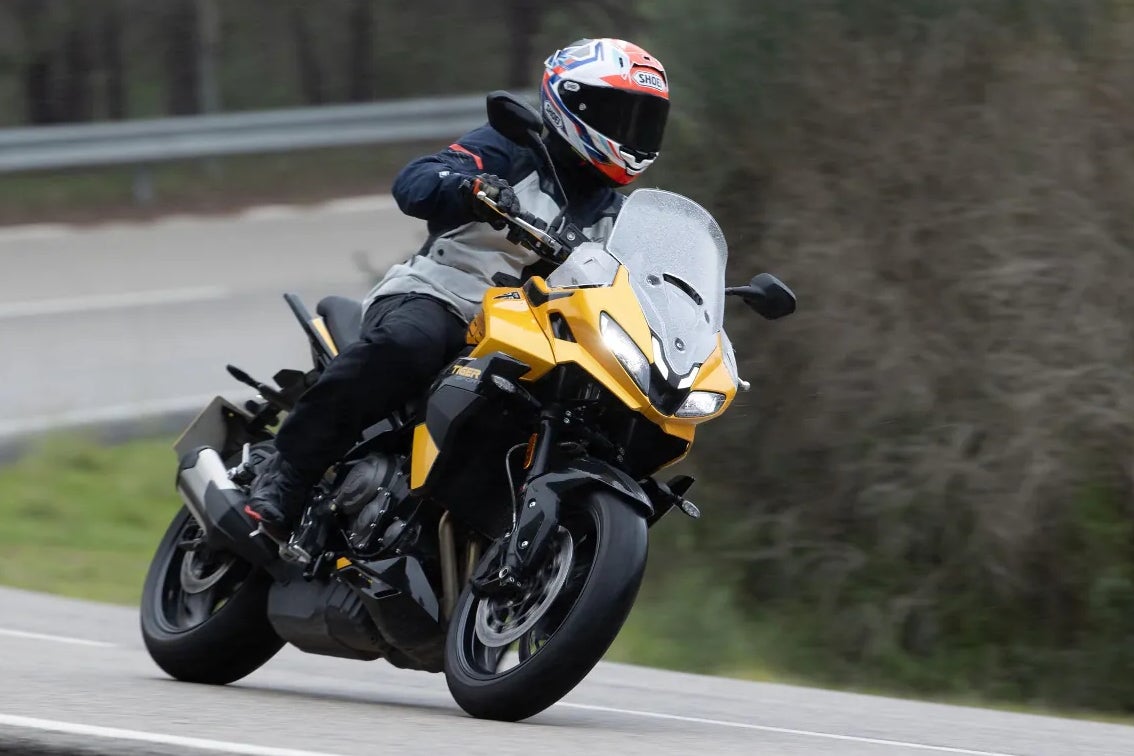
- Rain, Road and Sport riding modes come standard, as well as cruise control. Nic had the chance to put Rain mode to the test at the launch when some uncharacteristically wet weather blew in. He says: “We need to give a rare nod to the decidedly exuberant Rain mode that could easily be confused for Road. This isn’t the usual depressing, limp-noodle throttle response all too common among wet-weather settings. Instead, it relies on the watchful eye of TC to keep you on the straight and narrow.”
-
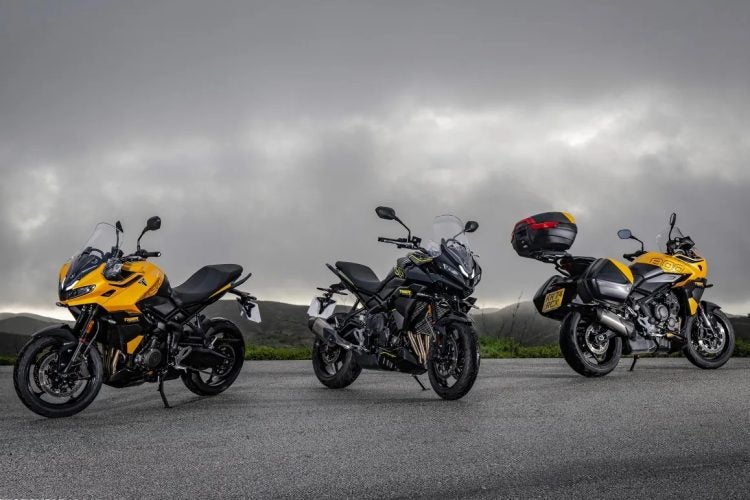
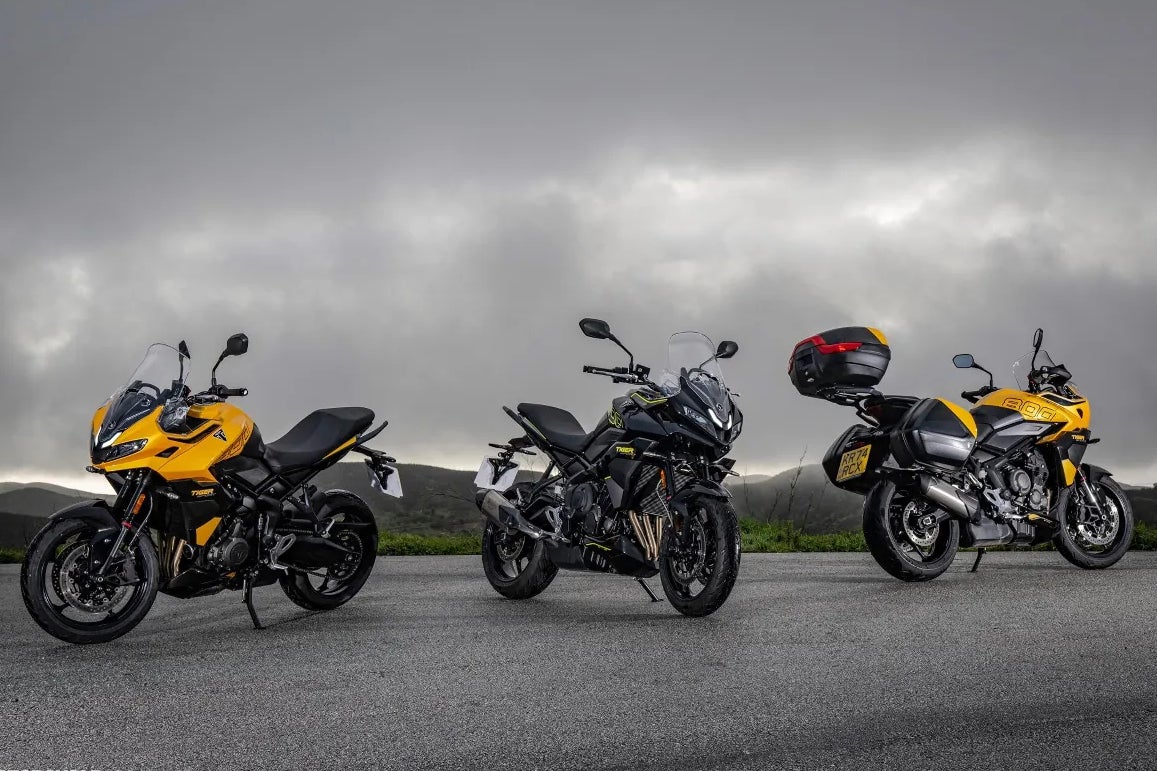
- A few accessories are already available from Triumph, if you want to go touring. In coming months, expect the aftermarket to start building parts for this bike in much larger quantities. Along with parts like the topcase and rack seen here, Triumph also offers heated grips. Looks like Nic could have used them on this trip.
-
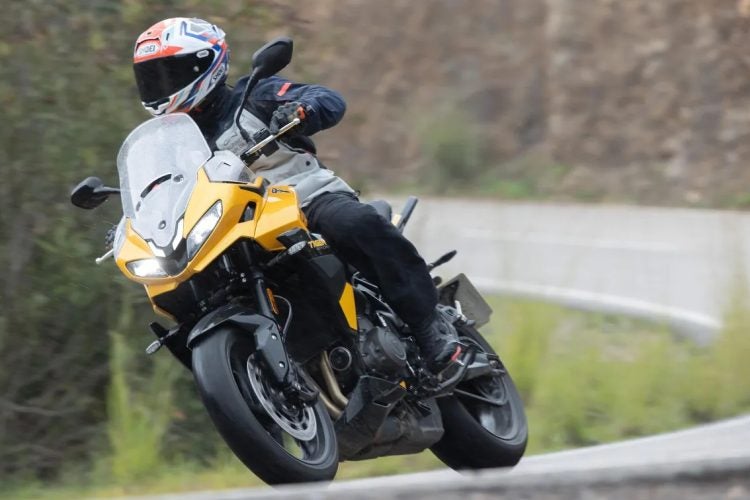
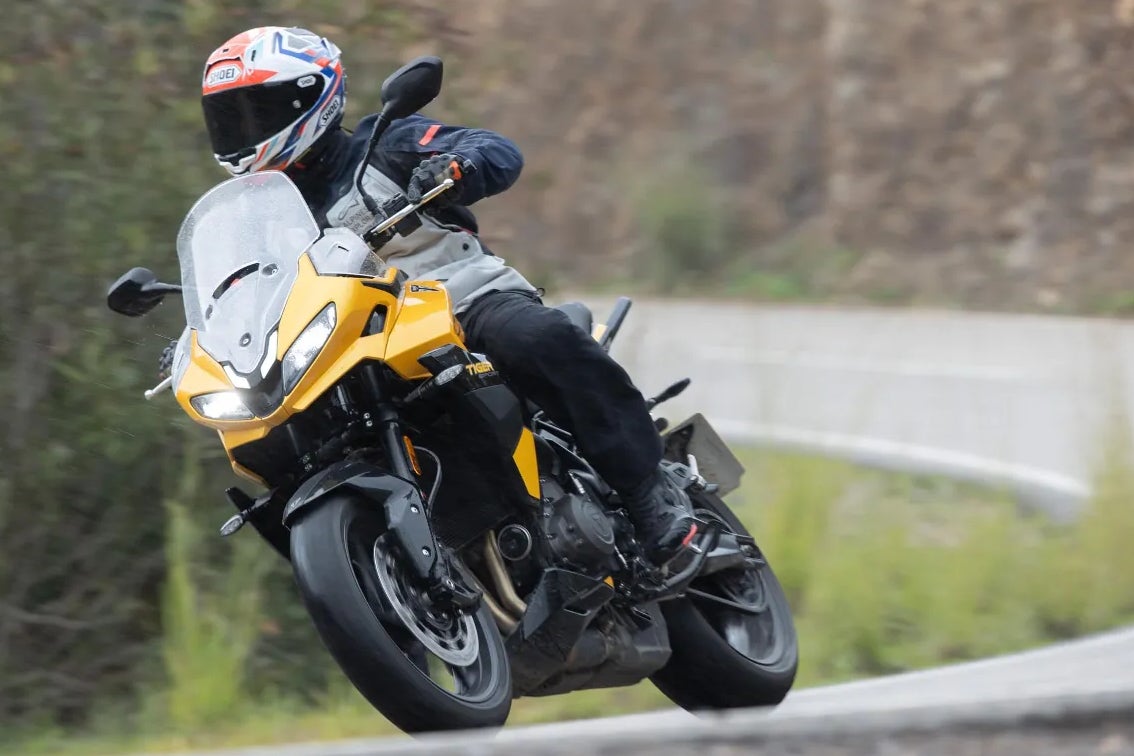
- That manual-adjust windshield offered plenty of weather protection for five-foot-ten Nic. You can also add hand guards for more protection.
-
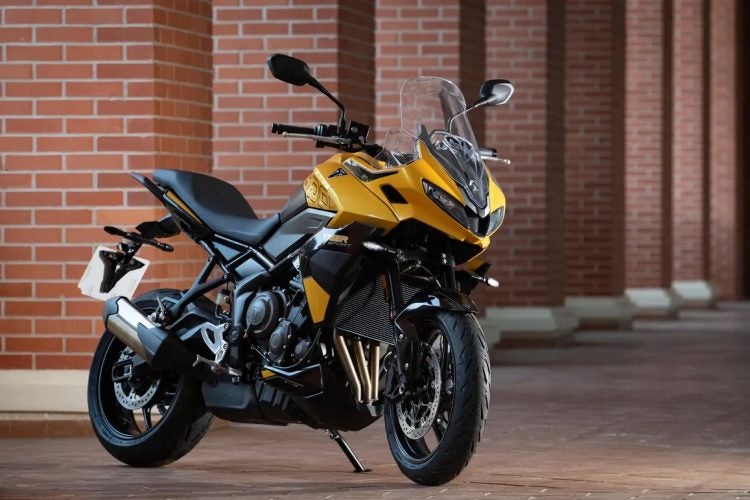
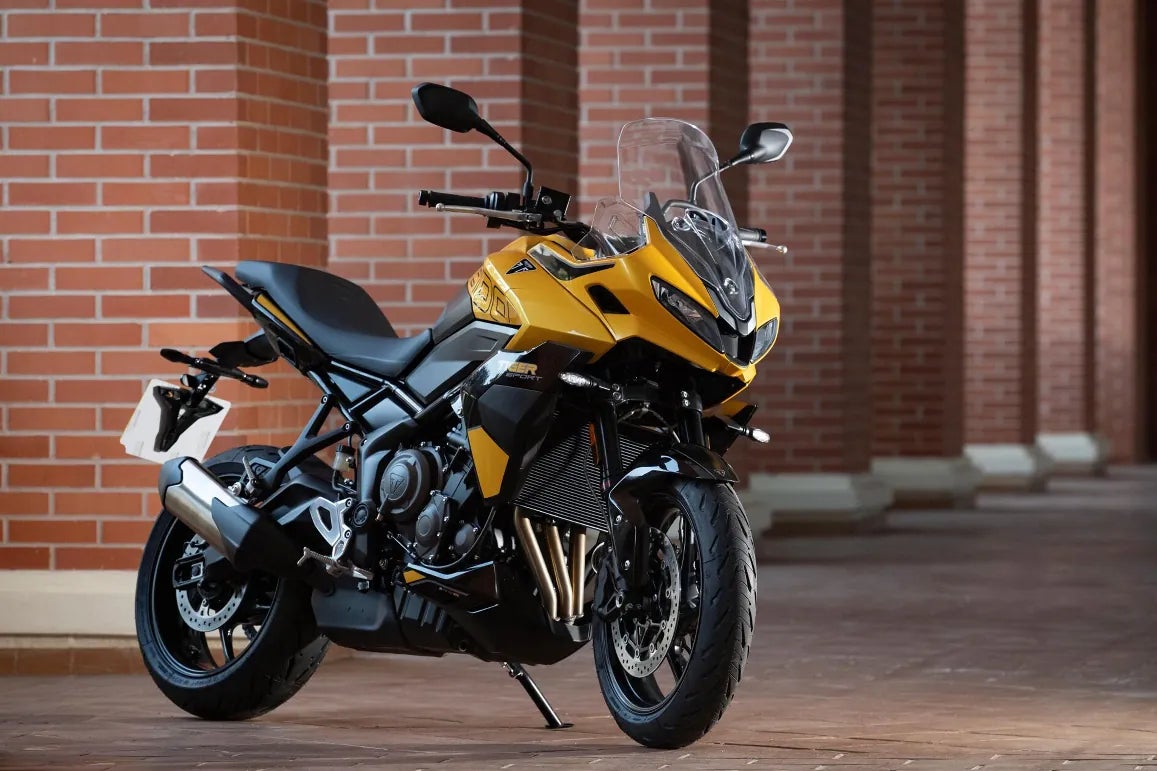
- This paint is Cosmic Yellow, a $125 option. Other choices at this price are Caspian Blue or Sapphire Black. At the base MSRP of $12,495 USD, your only choice is Graphite/Sapphire Black.
-
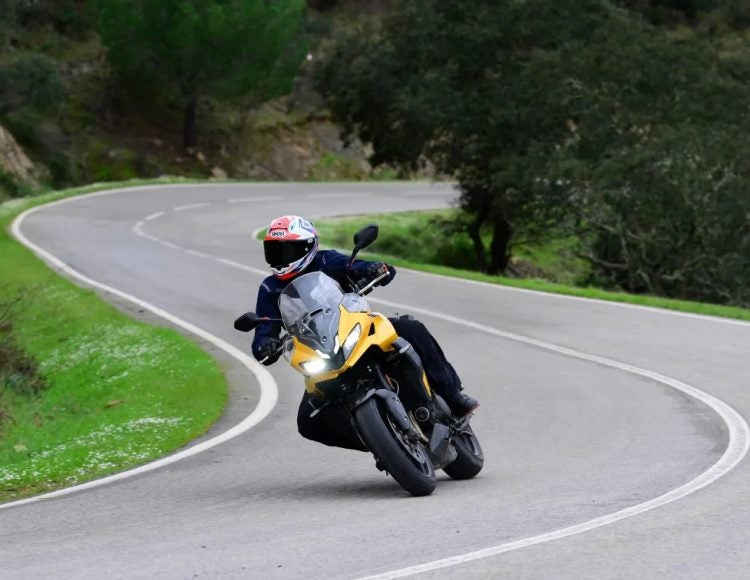
- All in all: Nic’s a big fan of this machine. A comparo story featuring this and the competition will answer the next question most readers will want to know: How does it stack up against the competition?
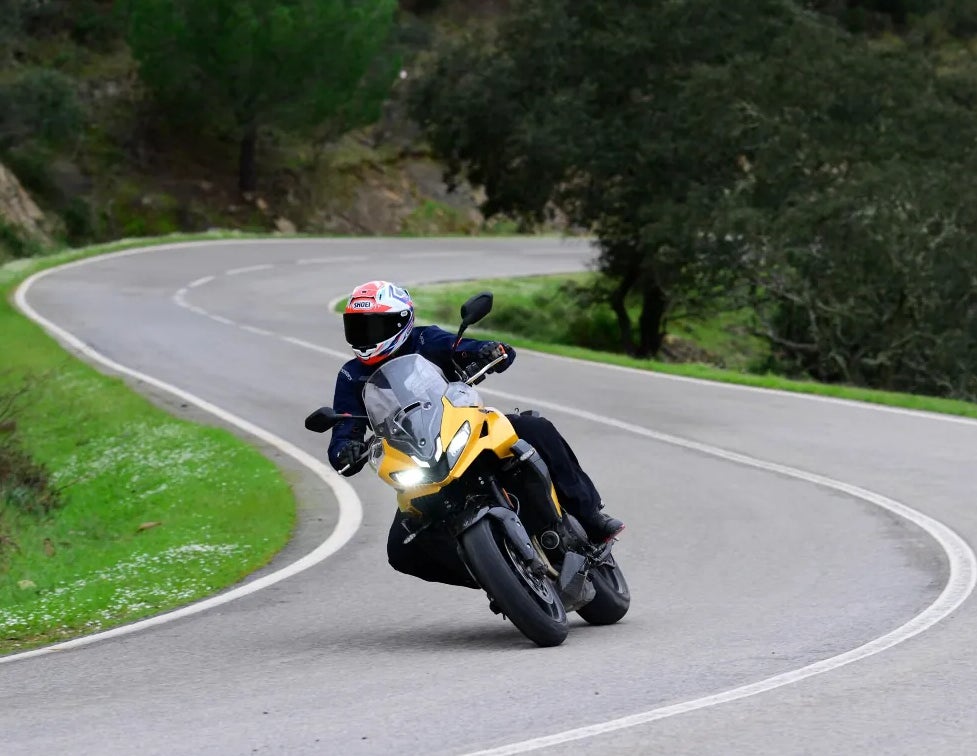
See Nic’s full review here at Motorcycle.com.